Jackery 1500 Ultra vs. 2000 Plus: Which Power Station Belongs in Your Kit?
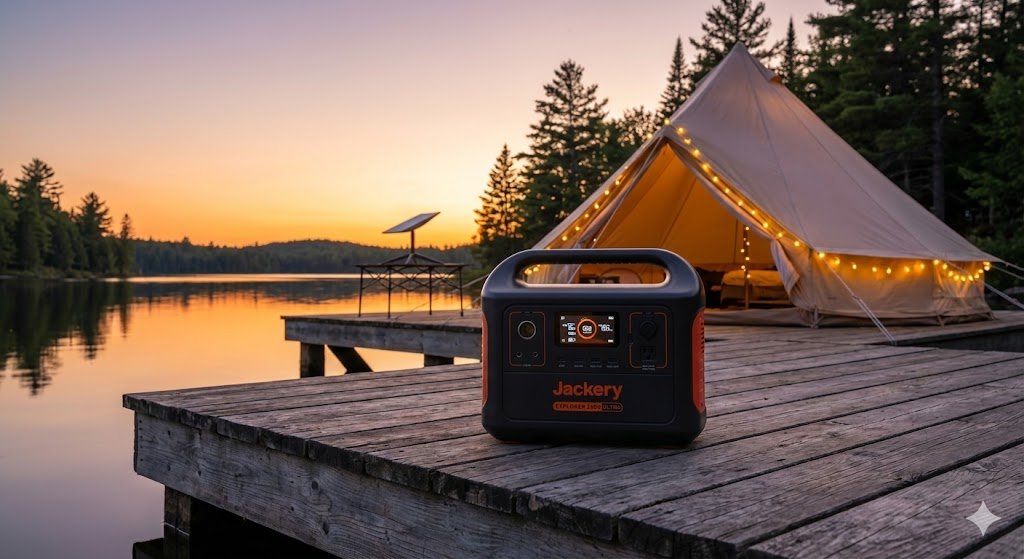
Planning a week-long fishing expedition or an extended camping trip means making one critical call before you leave the driveway: how much power do you actually need best portable power stations, and how are you hauling it there?
The Jackery lineup covers both ends of that question. The 1500 Ultra is built for the angler or overlander who moves camp frequently. The 2000 Plus is built for the crew that sets up base and stays put. Same brand, different mission profiles solar panels and portable power setup — and picking the wrong one will cost you either in capability or portability.
Here's the breakdown.
Side-by-Side Spec Sheet
| Specification | Jackery 1500 Ultra | Jackery 2000 Plus |
|---|---|---|
| Capacity | 1,512 Wh | 2,042 Wh |
| AC Output | 2,000W (4,000W surge) | 3,000W (6,000W surge) |
| Weight | 38 lbs | 61 lbs |
| Weather Rating | IP65 (dust/rain resistant) | No IP rating |
| Solar Input | Up to 1,000W | Up to 1,000W |
| Battery Type | LFP (LiFePO4) | LFP (LiFePO4) |
| Expandable | No | Yes (add battery packs) |
| Charge Cycles | 4,000+ to 80% capacity | 4,000+ to 80% capacity |
| Best Use | Mobile, off-grid, boat/truck | Basecamp, RV, group camping |
Both units run LiFePO4 chemistry — the same battery tech used in serious solar installations. That matters for longevity. Cheaper lithium-ion units degrade noticeably after 500-800 cycles. At 4,000+ cycles, either Jackery unit will outlast years of weekend use before you see meaningful capacity loss.
The 1500 Ultra: For the Angler Who Moves Camp
At 38 lbs with a solid carry handle and IP65 weather resistance, the 1500 Ultra is designed for the kind of fishing or camping where your rig changes every day or two. IP65 means it's sealed against dust intrusion and can handle direct water spray — relevant when you're loading and unloading a boat, or when afternoon storms roll through your camp.
What 1,512 Wh gets you in the field:
- CPAP machine for 3-4 nights
- Phone and tablet charging for a full week
- Portable refrigerator/cooler running continuously for 20-25 hours
- Starlink Mini for approximately 50 hours of operation
- LED camp lighting for multiple nights
The 2,000W AC output handles most camp appliances without fuss. What it doesn't do is run high-draw equipment like portable air conditioners or electric grills for extended periods — and it can't expand if you need more capacity later.
The honest limitation: 38 lbs is manageable for one person, but it's not ultralight. If you're hiking to a remote fishing spot, this isn't your unit. It's a truck-camping and boat-dock power station.
The 2000 Plus: For the Basecamp Operator
The 2000 Plus adds 530 Wh of capacity over the 1500 Ultra, bumps AC output to 3,000W, and — most importantly — supports expandable battery packs. If you're staying at one camp for a week and need to run heavier loads, the 2000 Plus is the correct specification.
What 2,042 Wh gets you at basecamp:
- Portable AC unit for 2-3 hours (enough to pre-cool a tent before sleep)
- Electric grill or coffee maker for daily use
- Full refrigerator running for 30+ hours
- Group device charging without rationing
The expandability is the real differentiator. Add Jackery's battery packs and you can push capacity significantly higher without buying a whole new unit — relevant if your use case grows or if you're planning longer trips over time.
The honest limitation: 61 lbs with no carry handle means two-person loading for most people. It's not going on a boat easily. And without an IP rating, you want to keep it under cover in rain.
The Decision Framework
Go with the 1500 Ultra if:
- You move camp every day or two
- You're loading/unloading a boat or truck bed regularly
- Weather exposure is a real factor in your trips
- Solo operation is the norm
Go with the 2000 Plus if:
- You establish one camp and stay for multiple days
- You're running heavier appliances (AC, grill, larger refrigerator)
- You camp with a group that needs more collective power
- Future expansion is part of your plan
More on the Jackery Lineup
If you're newer to portable power stations and want the full breakdown on how LFP chemistry works, what to look for in solar input specs, and how to size a unit for your actual load requirements, read our full review:
Jackery Explorer 300 Plus Full Review →
That review covers the fundamentals that apply across the entire Jackery line — including what those cycle ratings actually mean for your long-term investment.
MyCozyTrove participates in affiliate advertising programs. Links to products may earn us a commission at no additional cost to you. We recommend products based on real-world use and honest assessment — not commission rates.